The F&B Digital Transformation
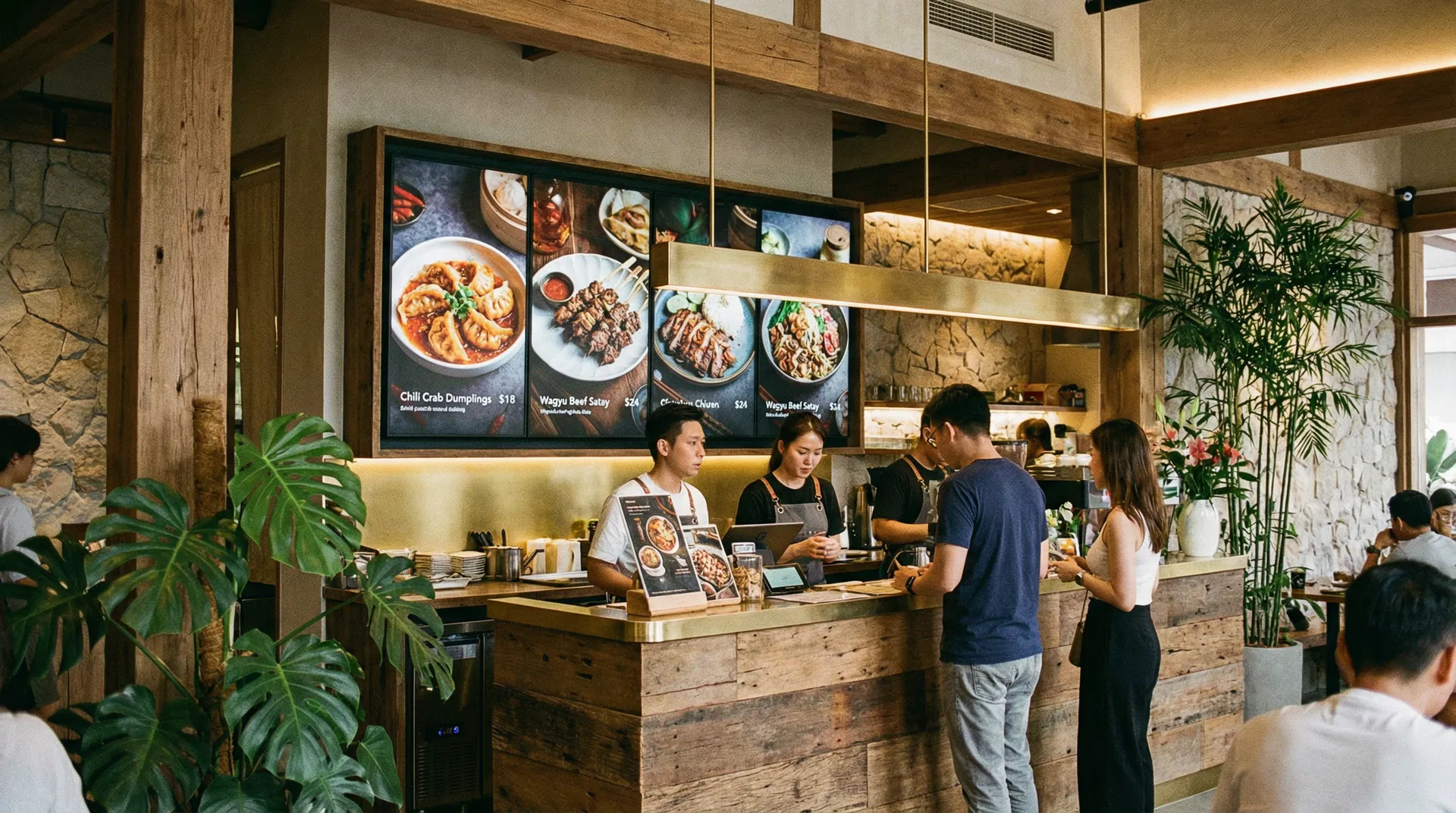
Singapore's food and beverage industry is one of the most competitive in the world. With over 7,000 food establishments across the island, standing out requires more than great food — it demands a modern, efficient customer experience. Digital menu boards have emerged as one of the most impactful upgrades a restaurant can make, delivering measurable improvements in sales, operational efficiency, and brand perception.
Research from the Digital Signage Federation indicates that digital menu boards can increase average order value by 15–30% compared to static printed menus. In Singapore's fast-paced dining environment, where customers often make ordering decisions in under 30 seconds, the ability to showcase high-margin items with vibrant imagery and motion graphics provides a significant competitive advantage.
Why Static Menus Are Holding You Back
Traditional printed menus and lightbox displays have served the F&B industry for decades, but they come with significant limitations in today's dynamic market.
Price updates are slow and expensive. Every time ingredient costs change or you introduce a promotional price, printed menus need to be redesigned, printed, and physically replaced across all outlets. For a chain with 10 locations, a single menu update can cost SGD 2,000–5,000 and take days to execute. You cannot daypart effectively. A static menu shows the same items regardless of time. Digital menu boards can automatically switch between breakfast, lunch, and dinner menus, promoting the right items at the right time without any manual intervention. Visual impact is limited. A printed menu cannot show a steaming bowl of laksa or a sizzling plate of satay the way a high-definition digital display can. Motion graphics and video content trigger appetite appeal far more effectively than static images.Key Features to Look For
When selecting digital menu boards for your restaurant, several features distinguish commercial-grade solutions from consumer-grade alternatives.
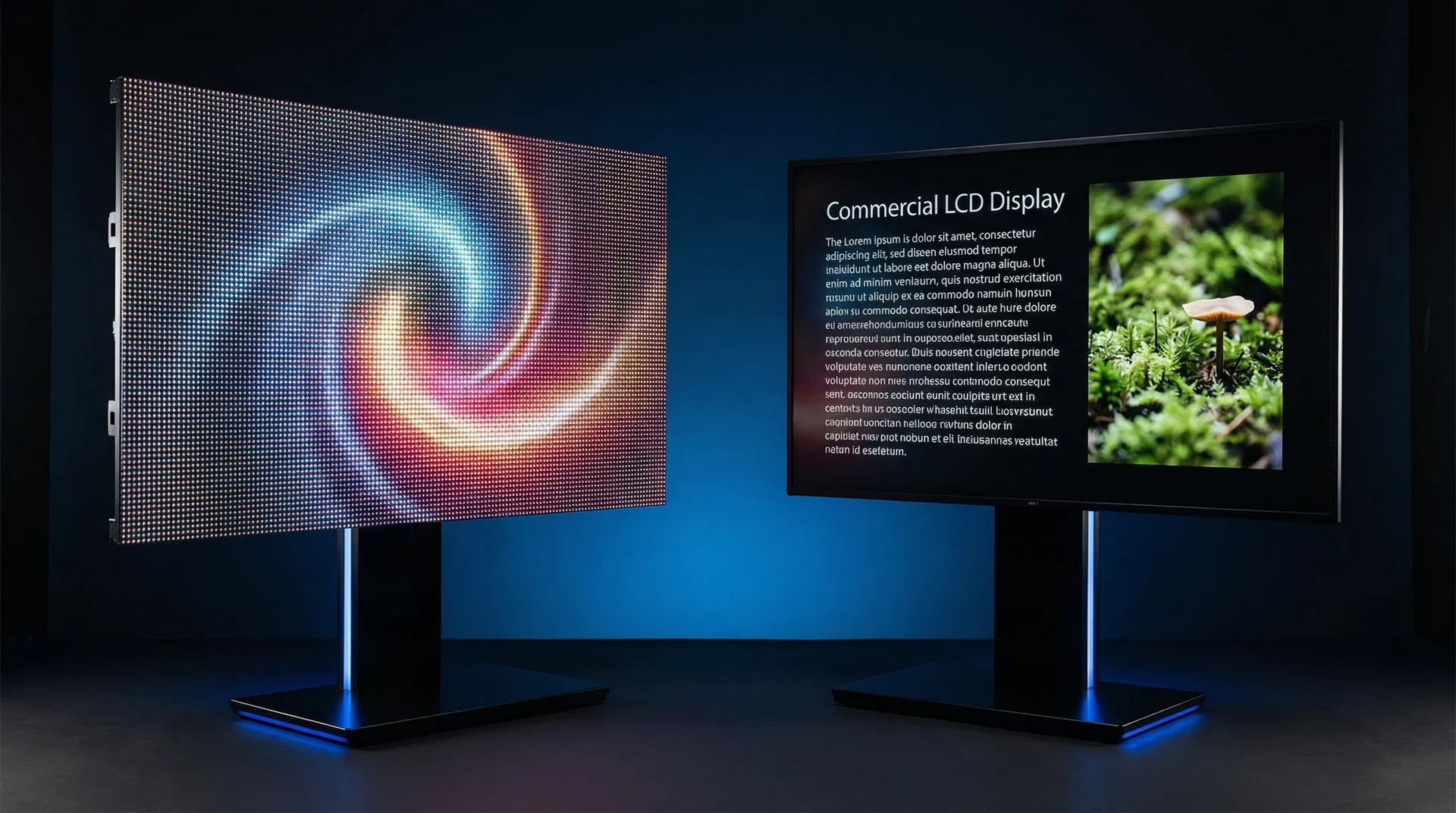
Commercial-grade panels are engineered for continuous operation. Goodview's digital menu board displays support over 16 hours of daily operation with a working life exceeding 50,000 hours. They use industrial-grade IPS panels that maintain consistent colour accuracy and brightness throughout their lifespan — critical for ensuring your food photography looks appetising day after day. Cloud content management enables you to update menus across all locations from a single dashboard. Goodview's Store Signage Cloud platform supports scheduled content changes, so your breakfast menu automatically transitions to lunch at 11:00 AM without staff intervention. You can also push emergency updates (such as sold-out items) in real time. Auto power-on and signal detection means the displays turn on automatically when the restaurant opens and switch to the correct input source without staff needing to operate a remote control. This eliminates a common pain point where staff forget to turn on displays or select the wrong input. Portrait and landscape orientation support gives you flexibility in placement. Many Singapore restaurants mount portrait-oriented displays behind the counter for menu boards, while landscape displays near the entrance showcase promotional content and daily specials.Content Strategy for Maximum Impact
The hardware is only half the equation. Your content strategy determines whether digital menu boards deliver a return on investment or simply become expensive wallpaper.
Highlight high-margin items. Use larger images, motion effects, or dedicated screen time for dishes with the highest profit margins. Studies show that items displayed with motion graphics receive 30% more attention than static items on the same screen. Use dayparting strategically. Programme different content for different times of day. Morning coffee promotions, lunch set meal deals, and evening à la carte highlights should each have dedicated screen time during their relevant periods. Keep text minimal. Customers glance at menu boards for an average of 3–5 seconds. Use large, high-quality food photography as the primary visual element, with concise item names and prices. Avoid cluttering the screen with lengthy descriptions. Rotate content regularly. Update your digital menu board content at least monthly to keep the display fresh and give returning customers a reason to look again. Seasonal promotions, limited-time offers, and new menu items should be featured prominently.Installation Considerations for Singapore Restaurants
Singapore's tropical climate and compact commercial spaces present unique installation challenges.
Heat management is critical. Kitchen-adjacent installations may be exposed to temperatures exceeding 35°C. Commercial-grade displays with built-in thermal management systems (such as internal fans and heat-dissipating enclosures) are essential. Consumer TVs will overheat and fail prematurely in these conditions. Grease and moisture resistance matters for displays mounted near cooking areas. Look for displays with sealed enclosures and easy-to-clean front glass surfaces. Some operators add a protective glass panel in front of the display for additional protection. Electrical requirements should be planned in advance. Each display typically requires a dedicated power outlet and a network connection (Ethernet or WiFi). Plan cable routing during the renovation phase to avoid unsightly exposed wiring.Measuring ROI
To justify the investment, track these key metrics before and after installation:
- Average order value — the most direct indicator of upselling effectiveness
- Speed of service — digital menus can reduce ordering time by helping customers decide faster
- Menu update costs — compare the cost of digital updates versus reprinting physical menus
- Customer feedback — survey customers on their perception of the ordering experience
Most Singapore restaurant operators report a payback period of 6–12 months for digital menu board installations, with ongoing savings in print costs and labour providing continued returns.
Getting Started with Goodview
Goodview offers a complete digital menu board solution for Singapore restaurants, including commercial-grade displays, cloud content management, professional installation, and ongoing support. Our team can conduct a site assessment, recommend the optimal display sizes and placement, and help you develop a content strategy that drives measurable results.
Contact us today to arrange a free consultation and see our digital menu board solutions in action at our Singapore showroom.